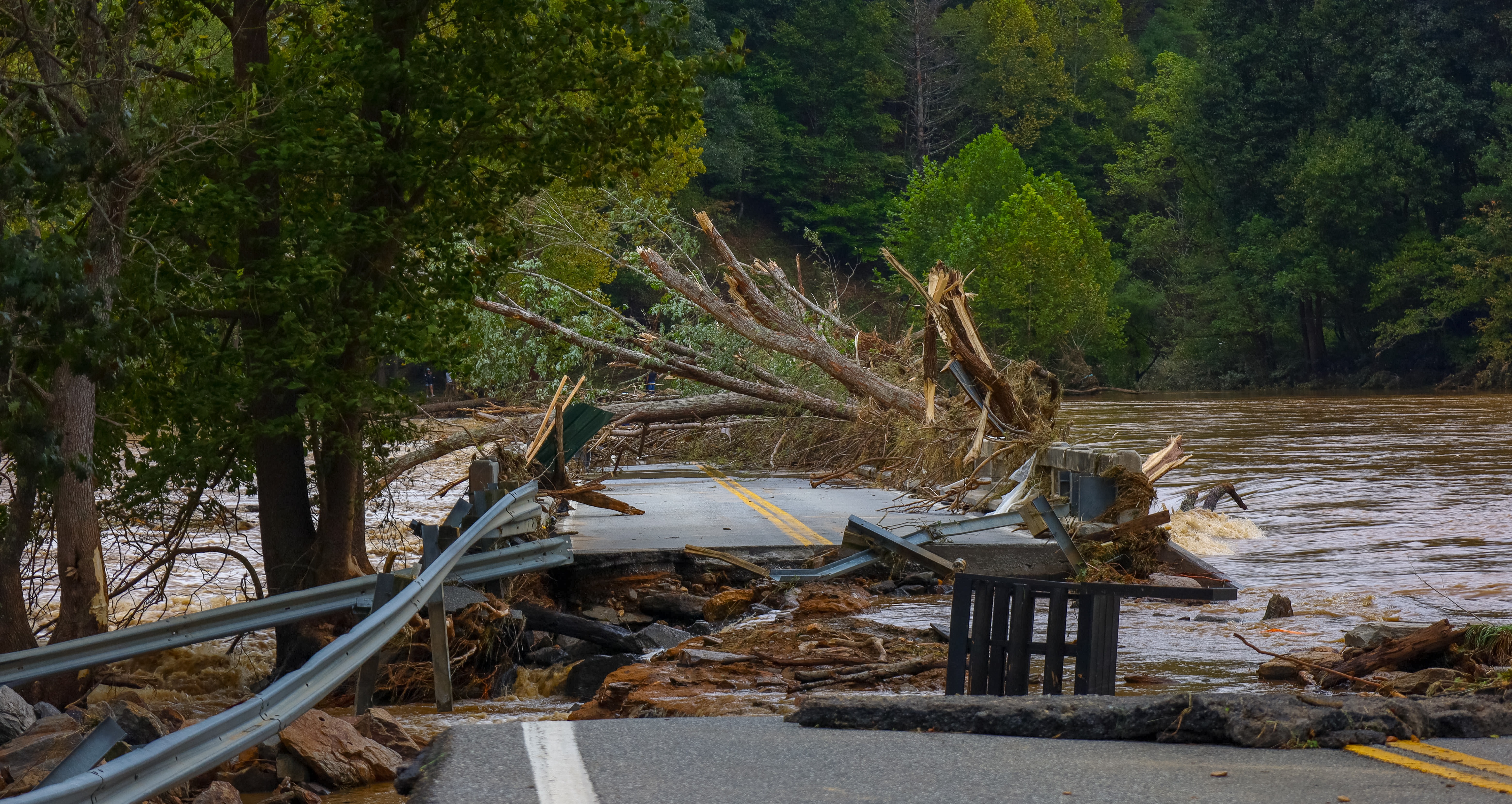
How a McChrystal Group After-Action review of the January 2025 Los Angeles Wildfires helped Los Angeles County transform its approach to emergency response.
THE CHALLENGE
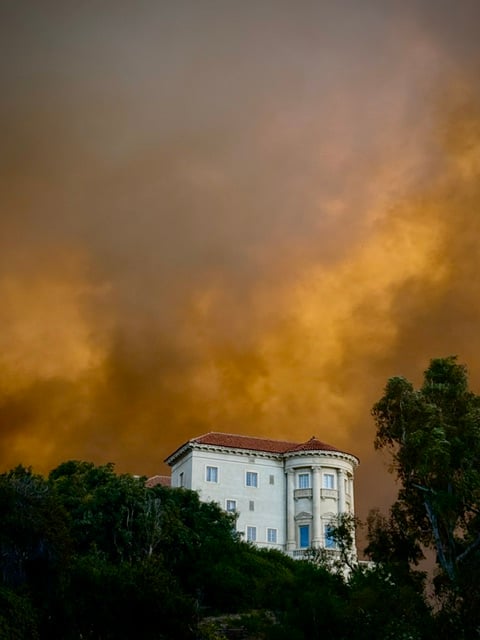
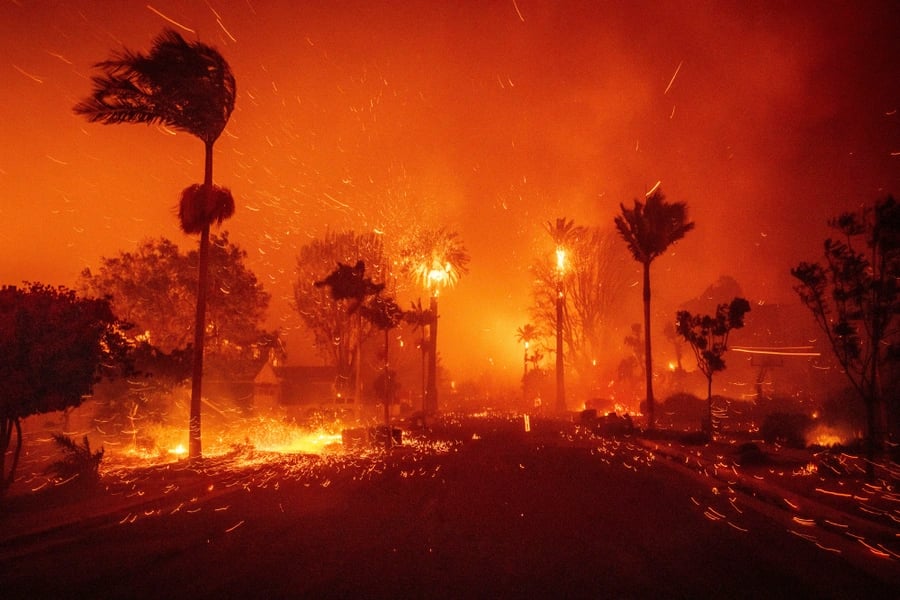
In January 2025, the Eaton and Palisades Fires swept through Los Angeles County, burning thousands of acres, destroying homes and infrastructure, and forcing the evacuation of nearly 250,000 residents. County agencies worked relentlessly to protect lives and property.
The scale and speed of the fires required coordination across multiple jurisdictions and agencies under extreme pressure. While lives were saved and large-scale evacuations were executed, the complexity of alerting residents and aligning decision-making revealed areas where the County’s emergency response system could be strengthened.
In the aftermath, the Los Angeles County Board of Supervisors commissioned an independent After-Action Review (AAR) to understand what occurred during those critical days and to identify lessons for future incidents. McChrystal Group was engaged to examine evacuation policies, emergency alert systems, and cross-agency coordination.
The purpose was not to assign blame, but to build institutional learning.
APPROACH
The review applied a structured AAR methodology designed to examine how people, processes, and technology interact in high-stakes environments. The focus was systemic: how decisions were made, how information flowed, and how coordination occurred under pressure.
At the center of the analysis was the concept of Shared Consciousness—a shared understanding of the situation that enables coordinated action across teams. In complex emergencies, this depends on two conditions:
- A common view of real-time information
- Clear mechanisms for synchronizing decisions across agencies
Where these conditions were present, coordination strengthened. Where they were absent, friction emerged.
Data Collection
To reconstruct events surrounding evacuation alerts and decisions, the review incorporated multiple sources of evidence, including:
- 50 interviews with 147 personnel across LA County Fire, Sheriff’s Department, Office of Emergency Management, and partner agencies
- Six community listening sessions with residents directly affected by the fires
- Technical analysis of alert systems, 911 data, weather patterns, and fire progression timelines
- Cross-referencing official records and public communications to validate timelines and decisions
The analysis was guided by four core questions:
- What was expected to happen?
- What actually happened?
- What worked well—and why?
- What can be improved—and how?
KEY OBSERVATION: COMPOUNDING WEAKNESSES
The review found no single point of failure.
Evacuation decisions ultimately protected a large population and reflected significant effort across agencies. However, response effectiveness was reduced by a series of compounding weaknesses.
The most significant theme was the absence of a unified Common Operating Picture and a clearly defined Operating Rhythm across agencies. Different departments often worked with different information, on different timelines, using separate systems. Even when individual efforts were strong, misalignment created avoidable friction.
Five areas emerged as priorities for improvement:
1. Documentation & Decision Tracking
Limited documentation during the crisis made it difficult to reconstruct key decision points. Without consistent records of who made critical calls and what information informed them, institutional learning was constrained.
2. Uneven Training & Preparedness
Response capacity varied by geography. The Palisades area benefited from recent joint exercises and established interagency familiarity. Altadena had not experienced a major evacuation in decades.
Approximately one-third of surge personnel lacked specialized wildfire evacuation training, contributing to coordination and traffic control challenges. Preparedness was not uniform across the County.
3. Cross-Agency Coordination Gaps
Agencies operated with differing assumptions about roles, responsibilities, and communication channels. Coordination mechanisms were not consistently standardized, which required improvisation during a rapidly evolving crisis.
4. Fragmented Technology & Situational Awareness
Emergency response agencies relied on multiple, largely non-integrated systems:
- Tablet Command
- Microsoft Teams
- Genasys
- A legacy computer-aided dispatch system
These platforms did not provide a unified, real-time view accessible across field and command levels. When power shutoffs and fire damage disrupted cellular networks, information gaps widened.
5. Public Communication Challenges
The Joint Information Center was not activated until three days after ignition, resulting in dispersed public messaging early in the incident.
Community listening sessions revealed confusion about evacuation terminology, zone boundaries, and the difference between routine warnings and life-threatening orders. In the absence of a single authoritative source, residents turned to third-party applications and informal channels.
RECOMMENDED IMPROVEMENTS
The review focused on practical structural changes designed to strengthen coordination in future emergencies.
Establish a Unified Common Operating Picture
Implement a shared coordination platform accessible to all emergency agencies, integrating existing tools and ensuring field-level access. Redundant communication capabilities would mitigate disruptions caused by power or network failure.
Create a Coordinated Operating Rhythm
Formalize structured cross-agency briefings and coordination forums that activate automatically upon incident declaration. Standardize documentation requirements to preserve decision rationale in real time.
Codify Informal Best Practices
Formalize effective practices observed during the fires, including protocols for adjacent-zone protective orders and cross-agency decision alignment.
Standardize County-Wide Training
Conduct annual joint exercises across jurisdictions and develop trained surge teams to ensure preparedness does not depend on recent fire history.
Strengthen Alert & Communication Resilience
Diversify alert methods beyond digital systems and activate the Joint Information Center immediately upon incident declaration to provide a single, coordinated source of public information.
IMPACT
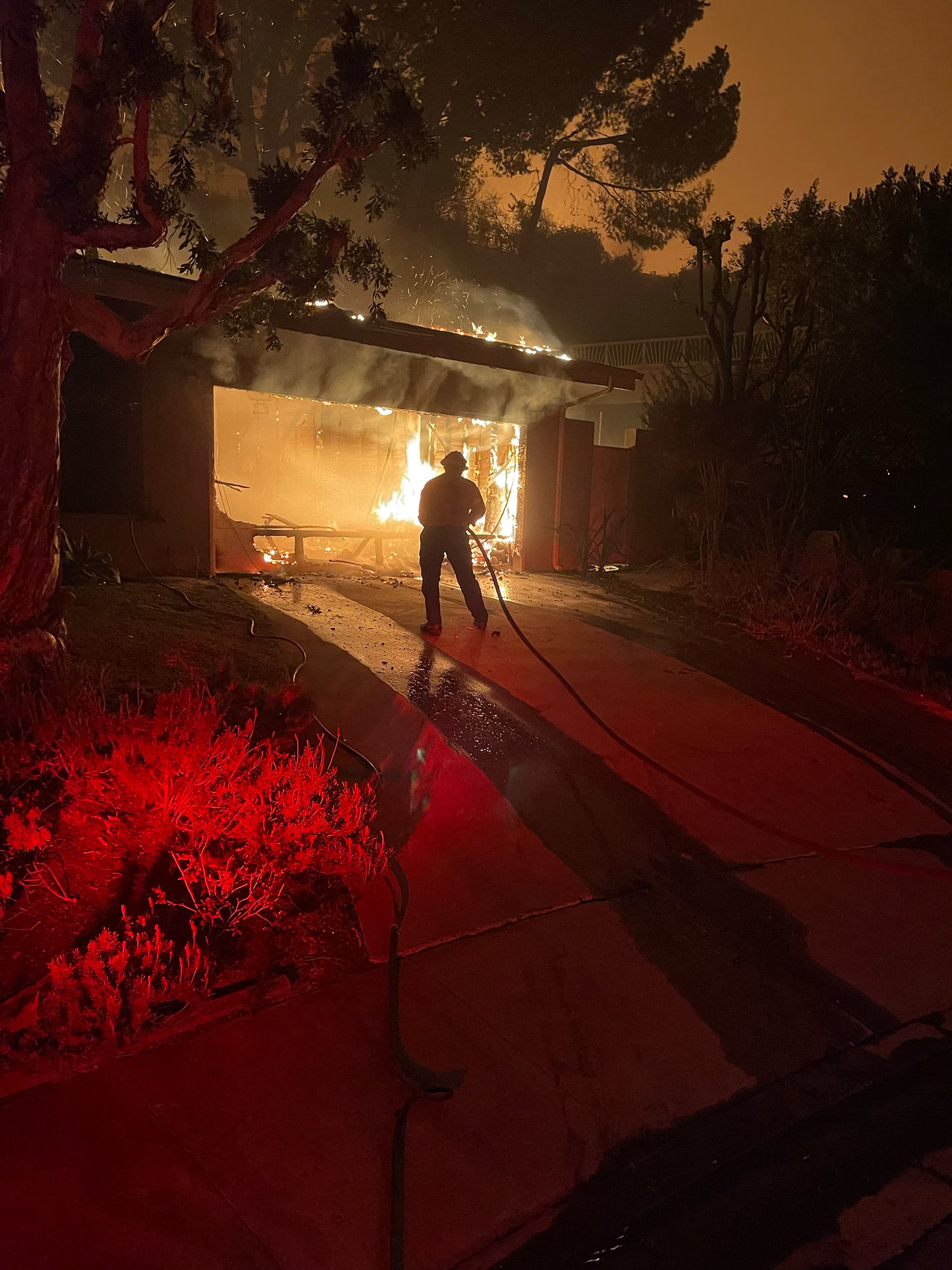
Los Angeles County has begun implementing these recommendations with defined ownership and timelines. Technology integration efforts are underway, and coordination structures are being formalized.
Beyond specific policy changes, the review contributed to a broader shift toward institutional learning. Emergency preparedness is being treated not as a static plan, but as an evolving system strengthened through disciplined reflection.
The central lesson is not about any one fire.
In complex environments, friction is inevitable. What distinguishes resilient organizations is their ability to examine performance honestly, align around shared visibility, and institutionalize improvement.
The January 2025 After-Action Review reflects Los Angeles County’s commitment to that process.