Challenging the Heroic Leader Myth to Build Teams That Thrive
He could never really get warm. The cold seeped so deep into his bones that no campfire or wool garment could banish it. He longed for the warm summer evenings overlooking the Potomac but never let the thought linger amid this dreary place. Instead, he relied on determination, resolve, and faith in their cause as his greatest weapons, refusing to be distracted by personal comfort.
By sheer force of will, he had pulled the militias and his so-called army along over the past two years. Only his closest friends and compatriots truly knew the extent of his doubts—doubts in his men, the revolution, Congress, and even himself. He locked those doubts away and steeled himself to embody the leadership others demanded.
It was an odd reality: He meticulously crafted the image of the ideal leader, endowed with strength, discipline, and unwavering character. Living up to this carefully curated mirage each day exhausted him. He was not a grand strategist or a brilliant tactician. General George Washington was simply a tired man carrying the weight of a nation’s aspirations on his shoulders—and now, he had run out of answers.
He knew how a professional army should dress, train, and act. Yet what met his eyes outside his drafty cabin door was anything but professional. The cold gnawed at the soldiers day after day, while dwindling supplies and months of deprivation had worn them thin. Sickness pervaded the camp, and the men were exhausted from years of hardship, constantly shadowed by death.
While the circumstances offered a heap of excuses for their lack of readiness, they provided no justification. The time had come for Washington to release his grip and trust those below him to lead in ways he could not.
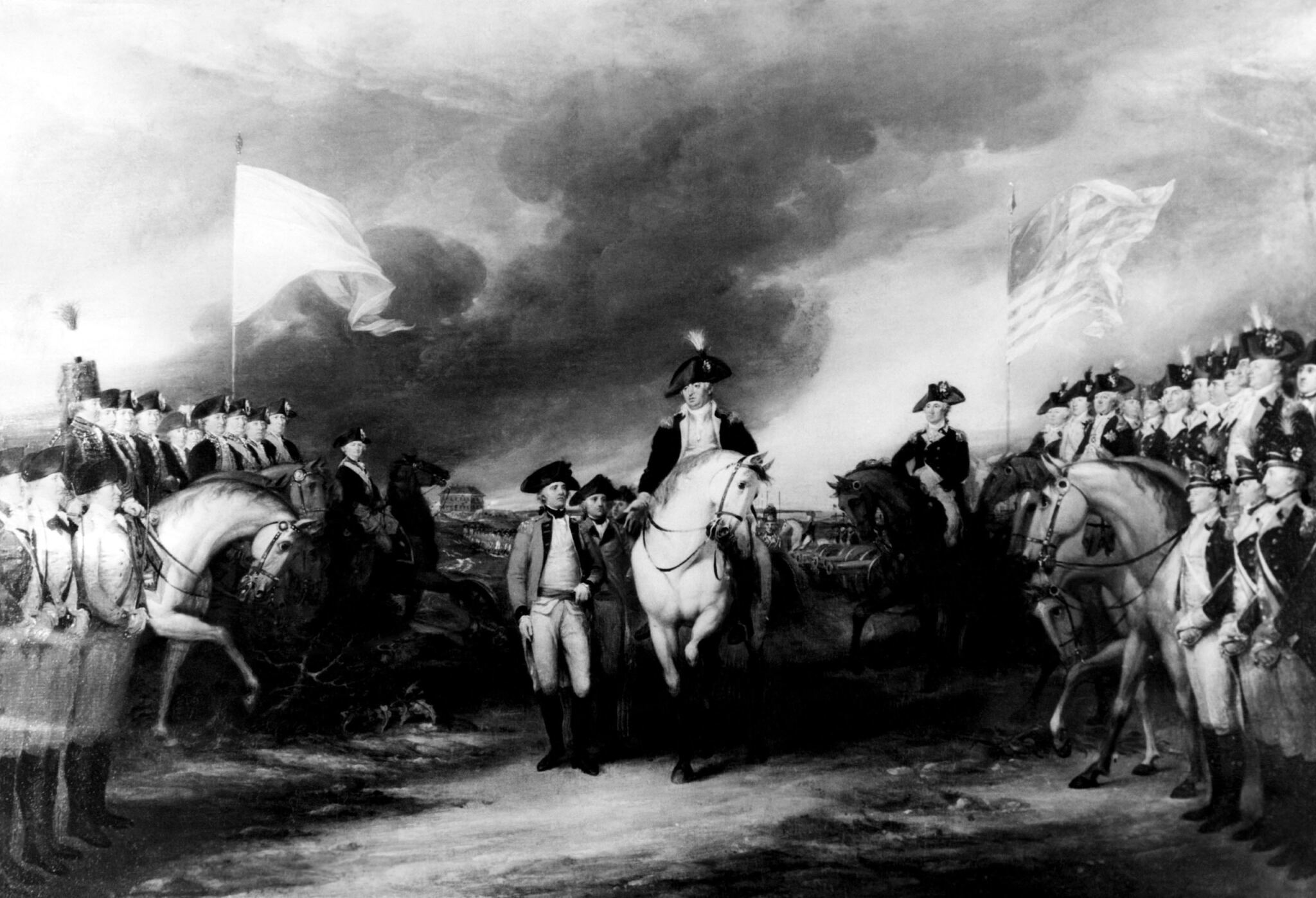
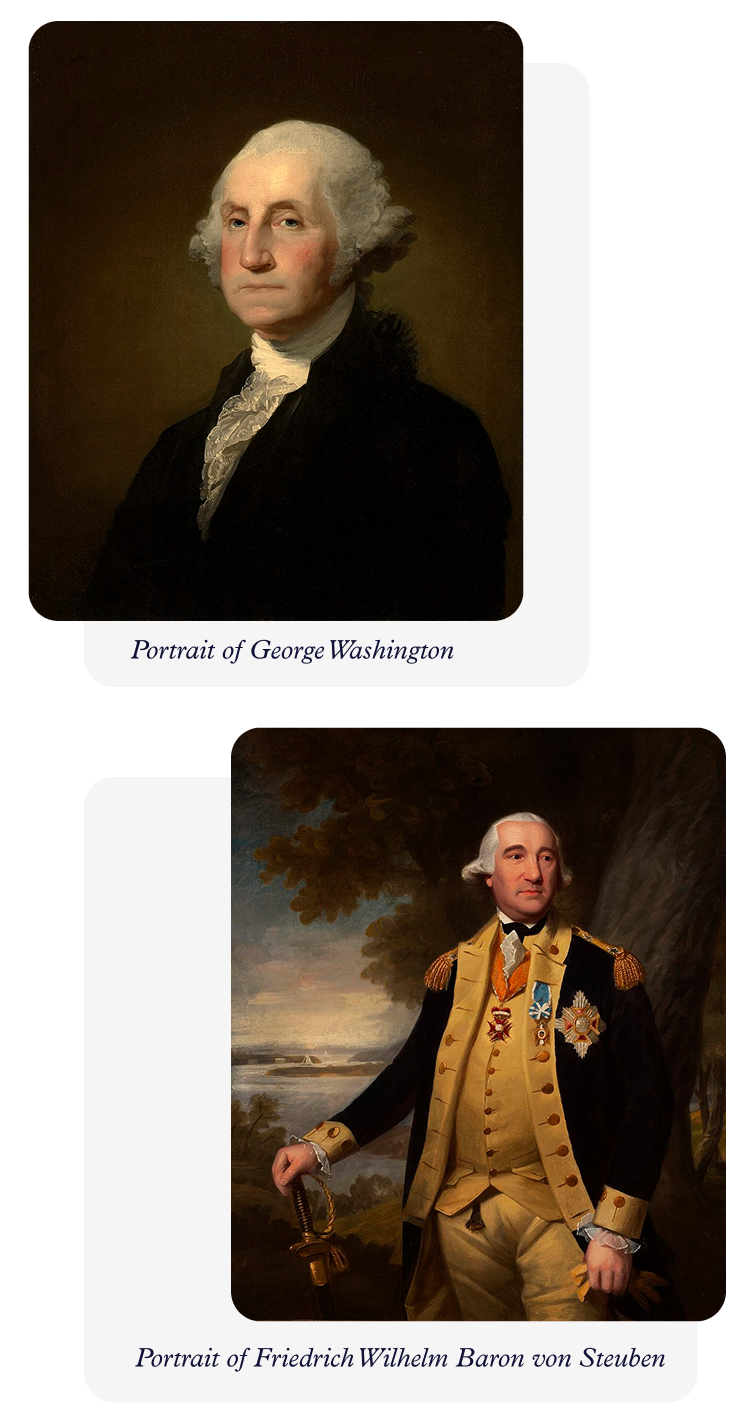 Washington embodied the American dream of independence, inspiring hope across the colonies. He had accepted the mantle of leadership to mount a ragtag group of farmers and merchants against the most formidable army and navy in the world. Against all odds, they had managed to stand against the might of the British forces. By late 1777, however, the strain of war was evident among the patriots.
Washington decided to winter his troops at Valley Forge, an easily defensible location near Philadelphia, which had once served as the capital of the fledgling democracy. Over 2,000 people died in the encampment from sickness and exposure. Yet in this freezing cauldron of suffering, a transformation began. Washington, steadfast in his commitment and resilience, entrusted a former Prussian officer with the task of training the troops.
Friedrich Wilhelm Baron von Steuben was born in present-day Magdeburg, Germany. As a staff officer, he trained under Frederick the Great, a renowned military strategist who employed advanced maneuvers to concentrate superior forces on weak points in enemy defenses.
This approach allowed him to defeat much larger armies than his own. Baron von Steuben gained intimate knowledge of innovative military tactics during the Seven Years’ War.
A chance meeting with Benjamin Franklin in 1777 led the former Prussian officer to cross the Atlantic and lend his expertise to the ongoing revolution. After assessing the Continental Army at Valley Forge, he realized that Washington’s troops needed training and discipline. However, strict European-style military drills and protocols would have been outright rejected by the colonists.
They were not driven by a desire to conform to any traditional framework. Their strength lay in their rejection of the status quo, in taking initiative, and in adopting unconventional tactics. Their power came from their willingness to be empowered.
“I should have been pelted had I attempted it, and should inevitably have failed,” said von Steuben. “The genius of this nation is not in the least to be compared with that of the Prussians, Austrians, or French. You say to your soldier [in Europe], ‘Do this,’ and he doeth it; but [at Valley Forge] I am obliged to say, ‘This is the reason why you ought to do that,’ and then he does it.”
Washington officially named von Steuben Inspector General, appointing him to the rank of Major General. Taking a hands-on approach, von Steuben introduced innovative military techniques that quickly proved their value. Veteran soldiers recognized the effectiveness of the new system and rapidly adopted and disseminated these practices throughout the encampment.
As spring arrived at Valley Forge, much like budding plants breaking through melting snow, a more professional and effective army emerged. This newfound strength was demonstrated at the Battle of Monmouth in June 1778, where they successfully broke through the British forces.
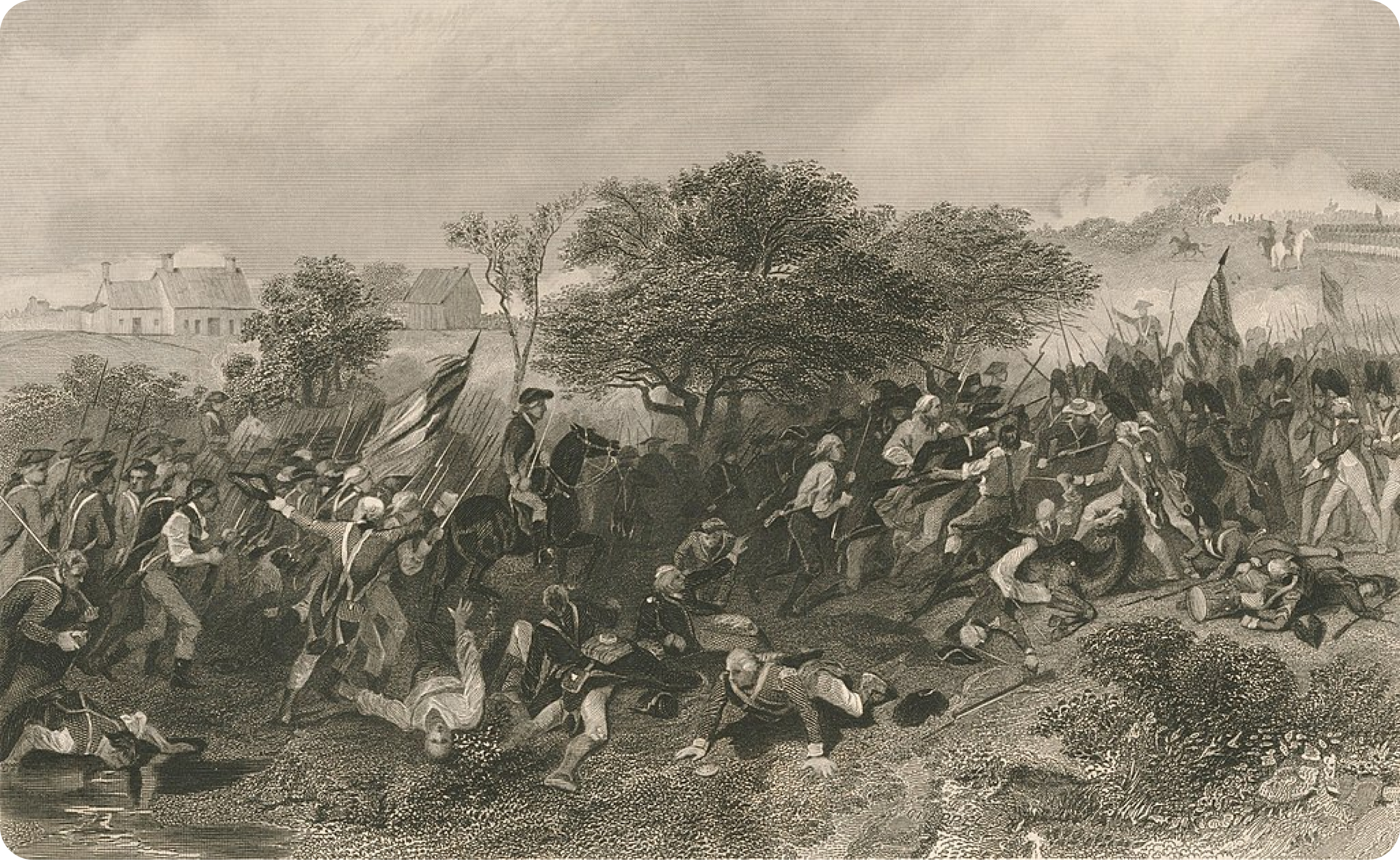
Both Washington and von Steuben recognized that the command-and-control leadership model used throughout Europe was limiting. On a dynamic battlefield, success required decentralized leadership. This approach empowered well-trained soldiers with the autonomy to innovate and adapt tactics in real time. Nearly 250 years later, organizational leaders continue to learn and apply this critical lesson.
In Leaders: Myth and Reality, General Stan McChrystal and his co-authors challenged traditional leadership notions, asserting that leaders are part of a dynamic, interdependent system of leaders, followers, and context within organizations. Truly effective leadership is not about command and control but about leaders recognizing their role within the system.
Leaders cannot control the system. Instead, their greatest opportunity lies in creating a space where followers can operate effectively within their unique context to drive results. This leadership style emphasizes nurturing and facilitating growth rather than imposing control. In essence, it is about “leading like a gardener.”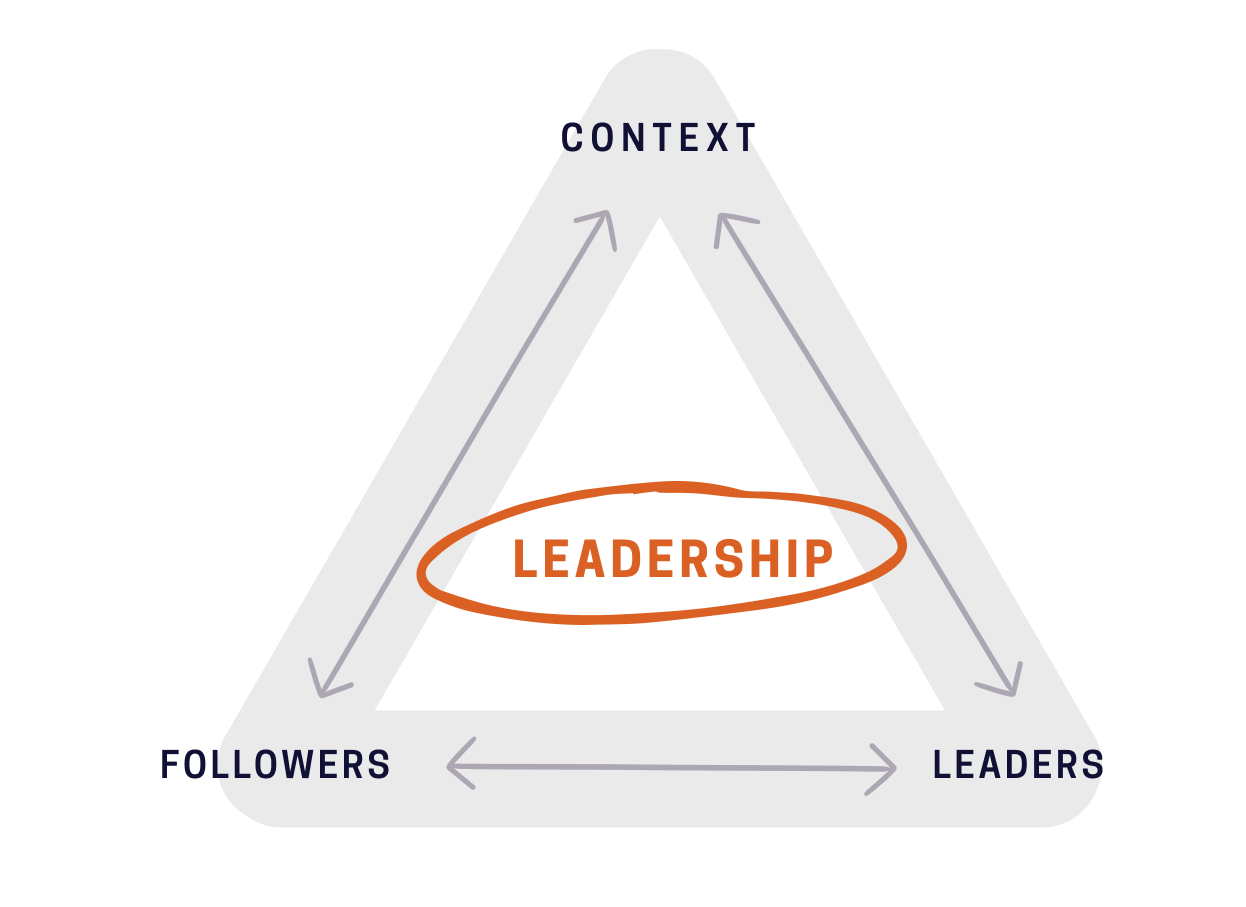
The concept of leading like a gardener emphasizes creating the conditions for others to grow and thrive. A vital component of Team of Teams, this leadership approach is not about controlling every detail but about cultivating an ecosystem where distributed leadership can take root and scale in today’s fast-moving, unpredictable environment.
To bring this metaphor to life, eight essential principles define this leadership approach. Each is illustrated by impactful leaders who have embraced the gardener’s mindset in moments of complexity, crisis, or change. These cases demonstrate how modern leaders can cultivate resilience, adaptability, and sustained performance within their teams and organizations.
1. Determine the Purpose of Your Garden
Crisis amplifies leadership—for better or worse. Strong leaders rise to the occasion, while poor leaders can exacerbate an already dire situation. This principle was on full display in New Orleans in early September 2005, following Hurricane Katrina, a high-end Category 3 storm that made landfall on August 29. The storm devastated the low-lying city as levees failed and floodwaters consumed entire neighborhoods.
As the storm passed, the scale of destruction became clear, and emergency response groups began to mobilize. However, the magnitude of the tragedy quickly overwhelmed the response effort. Mismanaged coordination and a lack of cohesive leadership compounded the challenges facing first responders.
Senior leaders from the Federal Emergency Management Agency, tasked with leading the effort, buckled under the scope and complexity of the disaster, leaving tens of thousands in harm’s way days after landfall.
Admiral Thad Allen, then serving as Chief of Staff of the United States Coast Guard, received an urgent call from Secretary of Homeland Security Michael Chertoff on September 5. He was tasked with unifying and coordinating federal response efforts in the aftermath of Katrina.
Arriving in New Orleans the next day, Allen was shocked by the disarray. Bureaucratic red tape and conflicting directives constrained brilliant, compassionate, and hardworking experts and volunteers. He had to unlock their potential quickly, aligning this disparate group around a clear and inspiring common purpose.
A barrage of negative publicity and harsh critiques had beset the emergency responders, who had been working around the clock for over a week. Some criticism of senior leadership was warranted, but much of it was devastating and paralyzing for the men and women on the frontline.
Allen recognized that the responders—even those reporting to others outside his control—needed a rallying cry to restore morale and drive rapid decision-making in the community’s best interest. Crucially, they needed assurance that senior leadership would support them.
Standing amid roughly 2,000 exhausted and emotionally drained emergency workers, Allen called an all-hands meeting. With a bullhorn in hand, he climbed onto a desk and delivered a simple guiding principle: “Treat everyone you come in contact with as if they were part of your family.”
This short but powerful message became a turning point for New Orleans and its surrounding communities. Allen’s statement was more than a morale boost—it became a decision-making anchor. In a chaotic, decentralized environment where traditional chains of command had broken down, his clear, human-centered purpose gave frontline responders a reference point for action.
It empowered them to make difficult, time-sensitive decisions on resource allocation, rescue priorities, and coordination across agencies without needing to seek approval or wait for instructions.
When teams understand the “why,” they are better equipped to act with confidence and cohesion, even under immense pressure. This aligning narrative shaped not only the first responders’ interactions with those affected by Katrina but also their interactions with each other, driving interagency coordination, collaboration, and communication.
However, Allen didn’t stop at one speech. He reinforced his words with actions, meeting with everyone from community leaders to frontline operators. He worked tirelessly to ensure everyone understood their mission and how they would achieve it.
Strong leaders define their team’s common purpose with clarity and then reinforce it through words and actions. The first step in this process is for the leader to determine the common purpose. Successful gardeners do not arbitrarily select a location for a garden and then plant a random assortment of seeds. They thoughtfully consider the garden’s purpose, select the right location, and choose plants that will serve that purpose.
“You need to figure out what kind of crop you want to grow,” says Allen
Gardeners start by defining a compelling common purpose that serves as a stable reference point for decision-making.
WHAT GARDENERS DO DIFFERENTLY
- They remind people of what matters, routinely emphasizing key objectives and why those objectives are essential to the organization’s future.
- They leverage the power of emotion, using key moments to communicate in ways that energize others and strengthen the collective’s resolve.
- They set clear expectations and give others the agency to act, allowing team members to be decisive within the bounds of acceptable risk.
2. Break Up Hard Soil
Indra Nooyi began breaking the mold early in her life. As the younger daughter of a middle-class couple raising a family in 1950s India, she seemed destined for an average future. But even in those early days, she challenged the norms of her conservative surroundings. She excelled in chemistry, physics, and mathematics while competing in cricket and performing in a female rock band.
Defying cultural barriers that constrained many women in the 20th century, Nooyi began building a career as a business strategist and sought-after consultant. She embraced challenges, fueled by her identity as a female immigrant—her biggest internal driver for success.
Nooyi’s career spanned industries and specialties, but she planted roots in 1994 with PepsiCo. She recognized opportunities to drive meaningful change and had a gift for envisioning what could be rather than focusing on limitations.
As she ascended through the organization’s ranks, she shaped PepsiCo’s strategic direction, leading acquisitions that reinforced the company’s core value propositions. She also championed investor and consumer preferences for healthier and more sustainable products.
Named CEO of PepsiCo in 2006, Nooyi implemented a cultural mandate to embrace Performance with a Purpose. During her 12-year tenure, revenue grew from $35.1 billion to $64.7 billion, reflecting the meteoric rise of her vision and influence.
Like Nooyi, courageous leaders who drive transformation must challenge conventional thinking and historical precedents. They must examine behaviors, processes, and technologies, asking themselves and their teams, “Does this give us the best chance to accomplish our purpose?”
Disrupting the status quo can create tension, frustration, and even fear, but it is a necessary catalyst for renewed energy, excitement, and focus within teams. However, leaders should avoid disruption for disruption’s sake. Unnecessary, chaotic changes benefit no one. Leaders who operate as gardeners use a sharp trowel to break up hard soil, not a 20-ton excavator.
Gardeners systematically evaluate current operations and proactively make changes as needed.
WHAT GARDENERS DO DIFFERENTLY
- They challenge outdated norms, questioning whether current processes still serve the organization’s mission and strategy.
- They are willing to disrupt the status quo, sparking difficult but necessary conversations that examine entrenched processes, methods, and concepts.
- They build alignment around new ideas, leveraging people to drive change forward with clarity and conviction.
3. Monitor the Weather
Jamie Dimon didn’t just ride out the storm—he saw the weather changing. In the years leading up to the 2008 financial crisis, while other institutions doubled down on high-risk strategies, Dimon became cautious about subprime lending by 2006–2007, reducing or hedging exposures and avoiding the riskiest bets.
As CEO of JPMorgan Chase, he learned to read subtle shifts—regulatory murmurs, market tremors, and cultural mood swings inside the firm—and positioned the company to weather the storm. He was raised in a family anchored in financial wisdom and developed a deep respect for risk management and long-term resilience.
His approach to leadership and finance was shaped by his father, Theodore Dimon Sr., a veteran Wall Street broker and former American Express executive vice president. Theodore Dimon Sr. joined JPMorgan Chase in 2009 while Jamie Dimon led the company.
“My father never made a lot of money, but he was always the guy people trusted,” said Dimon, reflecting on the values instilled by his father.
That foundation of humility, integrity, and curiosity defines Dimon’s philosophy. His father’s advice to “stay humble, ask questions, and never cut corners” remains a guiding principle in his approach. Dimon carried that sensibility into his leadership, making discipline, prudence, and constant vigilance cornerstones of his decision-making. While others chased short-term profits, he asked the hard questions.
When the economic storm hit, JPMorgan didn’t collapse—it flexed. The company’s healthy balance sheet, diversified portfolio, and measured risk profile allowed it to survive and stabilize. By acquiring Bear Stearns and assuming Washington Mutual’s banking operations from the Federal Deposit Insurance Corporation, JPMorgan helped restore confidence to a panicked financial system.
Dimon’s foresight and ability to operate with one foot in the present and one eye on the horizon positioned the firm as a model of durability during the crisis.
Effective leaders know they cannot control external conditions, such as market turbulence or economic uncertainty. They can, however, prepare and adapt. Much like gardeners who watch for frost or drought, leaders continuously monitor and interpret changing conditions. They observe economic trends, regulations, customer expectations, and internal morale.
Gardeners create a shared consciousness by establishing systems to scan the environment. They capture critical information, synthesize it into a narrative, and proactively share it, enabling rapid decisions.
WHAT GARDENERS DO DIFFERENTLY
- They sense shifting conditions early, constantly scanning for subtle environmental changes—economic, cultural, or operational—that could impact the system’s health.
- They prioritize resilience over short-term gains, making disciplined choices that safeguard long-term vitality, even when others chase quick results.
- They equip others to act on foresight, building systems of shared awareness so that teams can respond quickly and decisively before the storm hits.
4. Plant Seeds in the Right Place
It’s hard to imagine that a student at Ithaca College in upstate New York, who dreamed of being a weatherman, would come to lead the Walt Disney Company. Bob Iger began his career climbing the ranks at the American Broadcasting Company (ABC) in the late 1970s and 1980s.
After Disney purchased ABC, Iger was named president and chief operating officer in January 2000. By 2005, he stepped into the CEO role, overseeing Disney’s transformation as it expanded its empire with groundbreaking Pixar and Marvel Entertainment acquisitions.
Iger’s shrewd negotiating skills were matched only by his ability to spot uniquely capable talent and place them in situations where they could thrive. Kevin Feige’s rise to leadership at Marvel Studios in 2007 and his impact on the entertainment industry echo Iger’s storied career. He was promoted to president of Marvel Studios following Iron Man’s blockbuster release in May 2008.
As the architect of the Marvel Cinematic Universe (MCU), the collection of intertwining superhero films, Feige faced significant challenges. His creative vision for the MCU led to tension with Ike Perlmutter, chairman of Marvel Entertainment, whose micromanagement often clashed with Feige’s goals. This friction threatened to unravel the most successful and profitable movie franchise of all time.
In stepped Iger.
Recognizing Feige’s creative genius, Iger blocked Perlmutter from firing him in 2015 and shifted Marvel’s movie operations to report directly to Disney’s chairman. This change gave Feige the autonomy to lead the superhero franchise according to his vision. A few years later, the MCU reached its peak of popularity and profitability with Avengers: Infinity War and Endgame, a clear sign that Iger’s gamble paid off.
Organizations cannot afford to waste talent, particularly individuals with the vision and capability needed for future success. Leaders must place the right people in roles where their skills can deliver results. To do this effectively, they must understand both the capabilities a situation requires and the unique value their team members offer. Acquiring this knowledge demands time and intentionality.
Only then can leaders position team members to produce meaningful outcomes. When done well, this approach allows leaders to deliver on the axiom, “mission first, people always.”
Gardeners take time to understand each team member’s unique skill set and match those capabilities to the requirements of a particular situation.
WHAT GARDENERS DO DIFFERENTLY
- They identify essential capabilities, focusing on the small set of skills that have a disproportionate impact on organizational success.
- They help others recognize their unique value and give them opportunities to apply it for the good of the collective.
- They understand others’ motivations, taking time to explore what energizes and drives people to perform at their best.
- They unleash top talent, moving high-potential individuals out of limiting situations so they can reach peak performance.
5. Ensure Essential Nutrients are Available
In leadership, as in nature, thriving ecosystems depend on the steady presence of essential nutrients—inputs that sustain growth, resilience, and productivity. For teams, these nutrients take the form of focus, clarity, and operational support.
Leaders who neglect these fundamentals create environments where burnout and confusion take root, stalling momentum and undermining performance. Just as a garden with rich soil and proper watering yields strong, vibrant plants, well-resourced teams flourish under pressure and adapt through change.
To steward a team’s energy and attention effectively, leaders must practice ruthless prioritization. This requires the discipline to distinguish between what is essential and what is merely urgent or habitual.
When everything is a priority, nothing is. By making deliberate choices about where the team should focus, leaders conserve attention and prevent diluted effort. This clarity reduces ambiguity, builds confidence, and channels energy to the tasks with the greatest impact.
Rosalind “Roz” Brewer exemplifies this principle in action. As COO of Starbucks and later CEO of Walgreens Boots Alliance, Brewer led through complexity by focusing on operational excellence and team support. At Starbucks, she introduced systems that strengthened staffing reliability and streamlined communication, improving both customer experience and employee satisfaction.
At Walgreens, she tackled structural inefficiencies and increased attention to frontline resourcing, enabling stores to meet customer demand with greater agility. Brewer’s approach was clear: Eliminate bottlenecks, clarify expectations, and support teams with the tools and personnel they need to succeed. Her leadership didn’t just elevate performance. It created environments where people could do their best work.
This principle aligns closely with the Team of Teams framework. Empowered execution—where decentralized teams take initiative and adapt in real time—works only when those teams have the resources and clarity they need. Without sufficient support, even the most capable teams can falter.
An essential nutrient often overlooked is time. When leaders protect time for critical thinking, reflection, and rest, they safeguard long-term capacity. Just as Brewer reengineered schedules and workflows to prevent frontline exhaustion, leaders must treat time as a strategic resource.
Maintaining reasonable workloads, minimizing unnecessary meetings, and embedding space for creative problem-solving are not luxuries—they are leadership responsibilities.
Gardeners design their team’s weekly, monthly, quarterly, and yearly operating rhythm. They share the right information with the right people, at the right time, and in the right way, ensuring successful strategy execution.
WHAT GARDENERS DO DIFFERENTLY
- They keep a continuous pulse on their people, identifying early signs of fatigue, frustration, inefficiency, or misunderstanding and acting swiftly to address them.
- They eliminate distractions, clearing the path so their teams can focus on what matters most.
- They cultivate trust and safety, modeling and promoting a healthy culture through consistent behaviors.
- They identify limiting factors, recognizing conditions that constrain speed or quality and taking steps to remove them.
6. Set up a Regular Cadence to Water
“Expect the unexpected and expect to deal with it in a positive way.”
Alan Mulally adopted this adage early in life while growing up in a modest home in Kansas. His parents instilled in him the belief that the whole is greater than the sum of its parts. When the power of the collective is harnessed, extraordinary, world-changing good can be achieved.
This optimistic collectivism became his hallmark leadership trait as he rose through the ranks of Boeing over three decades, until he became CEO of the Ford Motor Company in 2006.
Mulally began his tenure at Ford by implementing his “Working Together” management system and the “One Ford” strategy—an enterprise-wide operating model that aligned behaviors, processes, and governance. He believed a leader’s primary responsibility was to model and hold others accountable for operating within this defined culture. This would, in turn, produce the results required by shareholders.
The “One Ford” concept itself was not unique. Many organizations embraced the thesis that a unified approach—one that realized synergies and reduced misalignment—increased the likelihood of success.
Where Mulally differed was in taking a systems approach. Rather than making a declaration and hoping the company would follow, he embedded a collection of behaviors, processes, practices, and governance that formed a central nervous system for the Ford Motor Company.
The system was designed to connect essential stakeholders across the organization functionally and authentically. Mulally recognized that the success of this operating model depended on a steady flow of relevant information through defined channels—a shared consciousness.
One of the core principles of Working Together was the Business Plan Review (BPR). The BPR was a weekly meeting that gave the leadership team a platform to review progress, triage challenges, and develop solutions. This cadence fostered continuous improvement and accountability.
A disciplined, predictable structure made the BPR valuable week after week. Its transparent information flow enabled rapid collaboration and informed decision-making across the organization. The BPR was instrumental in creating the connectivity required to overcome the financial upheaval of the 2008 Great Recession.
While other major car companies filed for bankruptcy and relied on bailouts from the U.S. government, Ford—under Mulally’s leadership—navigated the storm and emerged as the leader of the motor vehicle industry.
Every organization has an operating rhythm in which teams come together to share information, coordinate activities, and then disperse to get work done. For most leaders, this rhythm reflects their personal preferences and habitual routines.
Great leaders, like Alan Mulally, understand that a thoughtful operating rhythm should align with strategy execution and be regularly adjusted to fit the environment. Just as a gardener adjusts watering schedules based on climate and the needs of plants, a leader must adapt their team’s operating rhythm to maximize growth.
Gardeners design their team’s weekly, monthly, quarterly, and yearly operating rhythm. They share the right information with the right people, at the right time, and in the right way, ensuring successful strategy execution.
WHAT GARDENERS DO DIFFERENTLY
- They establish structured rhythms, creating a predictable cadence of reporting, communicating, and coordinating on a weekly, monthly, and quarterly basis.
- They adjust cadences based on urgency, proactively changing the frequency of meetings to match the speed of the environment.
- They ensure the right people get the right information, developing a communication plan that delivers what is needed to execute the strategy.
- They reinforce priorities and execution discipline, holding other leaders accountable to the milestones and timelines they have set.
7. Tend the Plants to Promote Growth
When asked how she grew the company’s annual revenue from $1.2 billion to $3.0 billion, Angela Ahrendts, former CEO of Burberry, answered, “We’re all in the people business.” She attributes her success to a simple philosophy: Invest in people.
In an interview with Moira Forbes, Ahrendts said, “We must invest just as much into the human component of our businesses as we put into technology.” Many leaders espouse this ideal, but Ahrendts made strategic decisions—and tradeoffs—based on this belief.
Born and raised in a typical Midwest town in the U.S., Ahrendts became CEO of the iconic British brand in 2006. At that time, Burberry had lost its allure as a luxury brand and was slipping toward irrelevancy in the fashion world.
Angela recognized that Burberry needed to refocus on its core luxury products— the line of trench coats that had long defined its success. Yet this return to the historic core had to be paired with future-focused, digitally enabled marketing targeting the Millennial Generation.
Everything from the in-store experience to a website redesign and early adoption of social media required a digital transformation. This transformation would only succeed if Burberry’s people were upskilled to meet the demands of the new reality.
Ahrendts initiated comprehensive training programs that equipped store employees with the tools and knowledge to integrate digital platforms into customer service, including using iPads and apps to personalize in-store experiences. At the leadership level, she reorganized the executive team to include digitally savvy roles, such as appointing a chief technology officer and building an in-house digital team.
She also introduced a centralized system for product information and media content, ensuring consistency across global retail locations and online platforms. This strategic investment in digital fluency laid the foundation for Burberry to become a leader in luxury e-commerce.
A leader’s impact is determined by their team’s capability. Wise leaders recognize that investing time and resources to develop their people delivers disproportionate value. It improves skillsets, generates efficiencies, reduces errors, and enhances retention and motivation.
This value does not happen overnight, and annual performance reviews with occasional public affirmations are insufficient. Leaders must implement systems to deliver training, track progress, create opportunities for talent development, and provide regular, authentic, and actionable feedback.
Gardeners dedicate a significant portion of their time to upskilling, coaching, and shaping the future careers of their team members in ways that benefit both the individuals and the organization.
WHAT GARDENERS DO DIFFERENTLY
- They invest in long-term behavioral development instead of just focusing on short-term results.
- They provide frequent, constructive feedback rather than relying on annual performance reviews.
- They shape the future by selecting and training the next generation of leaders to model the values the organization needs for success.
- They remove toxic personnel, making tough decisions to move team members who negatively impact the culture, even if they are high performers.
8. Prune, Weed, and Let Go
Jacinda Ardern led with heart but governed with firm resolve. During her tenure as the prime minister of New Zealand, she demonstrated that true leadership isn’t just about growth—it’s about knowing when to cut back. Just as a gardener trims branches or clears weeds to make room for stronger roots, Ardern showed the courage to let go of what no longer served the nation, regardless of how politically thorny or emotionally taxing it was.
After the 2019 Christchurch Mosque shootings, Ardern swiftly moved to ban military-style semi-automatic weapons, facing a divisive issue head-on and prioritizing public safety over political convenience. Her leadership during the COVID-19 pandemic was marked by decisive action, empathetic communication, and a willingness to pivot when new information emerged.
In one of her most profound acts of pruning, she stepped down from office in 2023—not out of defeat, but from recognizing that the nation would benefit from a fresh perspective.
“I no longer have enough in the tank,” she said, modeling humility and self-awareness for leaders worldwide.
This kind of clarity and courage is rare. Many leaders cling to legacy systems, outdated strategies, or roles they have outgrown, even when these choke future potential. But as any seasoned gardener knows, healthy growth requires regular pruning. It demands uprooting habits, assumptions, and even parts of us that no longer support the larger purpose.
In adaptive organizations, pruning is not a one-time task. It is a continuous discipline. Structures, processes, cultural rituals, and even our own leadership style must be reevaluated to ensure they nourish the system rather than deplete it.
Leaders who prune wisely do not act with recklessness or detachment. They act with care. They put on gloves, roll up their sleeves, and do the hard, human work of clearing the way for what is next without uprooting plants that may blossom with time and attention.
Gardeners find the right balance of proactivity and patience, resisting the urge to constantly disrupt the system while also resisting the hope that things will simply work out.
WHAT GARDENERS DO DIFFERENTLY
- They lead with humility, recognizing when it’s time to step aside or shift course for the good of the whole.
- They set both short-term objectives and long-term goals, focusing their team on tasks that support both.
- They challenge assumptions about timelines and performance, prioritizing sustainable growth over speed.
- They resist the urge to overreact, taking a strategic pause and listening to informed advice before taking decisive action.
Conclusion
One of the most profound leadership transitions in American history came not on the battlefield but in the quiet resignation of command. At the end of the Revolutionary War, George Washington could have become a monarch—an American Caesar. Instead, in 1783, he voluntarily resigned his commission as commander-in-chief of the Continental Army before the Continental Congress in Annapolis, Maryland.
This single act stunned the world and earned him admiration from King George III, who reportedly said, “If he does that, he will be the greatest man in the world.”
Washington’s decision was not a retreat but a defining act of leadership. By stepping away from power, he demonstrated that command and leadership are not synonymous. Command demands obedience; leadership builds trust. His choice made space for the fragile new republic to grow.
When he later became the first president, Washington again set the precedent by choosing not to seek a third term. In doing so, he showed future leaders that true strength lies in restraint and that legacy lies in stewardship, not dominance.
This lesson is clear for modern leaders: The most courageous acts often involve letting go. By stepping back—whether from a project, a decision, or a position—leaders give their teams the light and air they need to develop, adapt, and lead. The gardener does not pull at the plant to make it grow. They trust the process, nurture the conditions, and know when to get out of the way.
Washington’s example endures not because of how he led from the front but because of how he prepared the soil for those who would come next.
Resources